A caregiver is a trained or untrained person who offers physical, emotional and medical assistance to those who are unable to completely take care of themselves. It involves the old, the sick who are recuperating, the disabled, and even the new-born babies.
Caregiver services have turned into one of the most important aspects of the home based medical and personal care within the current modern healthcare system.
Regardless of whether it involves elderly care, patient care or home nursing support, caregivers are the ones who play a very critical role in enhancing quality of life.
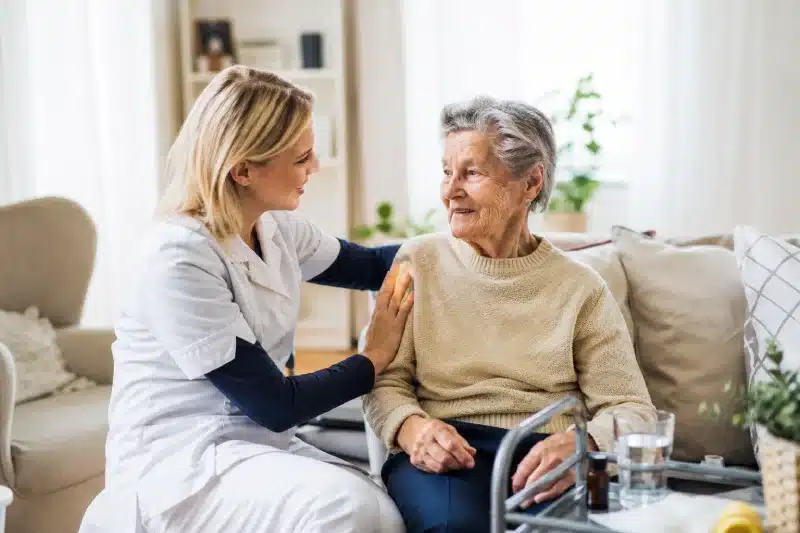
What is a Caregiver?
A caregiver is a trained or semi trained person who offers continuous physical, emotional and in some cases medical assistance to individuals who are incapable of providing these services themselves.
- Elderly people
- Sick patients
- Disabled persons
- Post-surgery recovery patients
- Bedridden individuals
- Chronically ill patients
The role of a caregiver is very crucial in both home care and hospital care systems as they ensure safety, comfort and proper daily assistance. Caregiving is regarded as one of the most significant support systems to assist patients in their recovery and elderly people in their care.
Who is a Caregiver?
A caregiver is a responsible person who assists another individual in daily living activities. They act as a support system between medical care and personal care.
- Professional trained caregiver
- Nurse caregiver
- Family caregiver
- Home caregiver
- Hospital caregiver
Types of Caregivers
- Elderly female patients
- Baby care
- Sensitive patient care
- Home care support
- Personal hygiene care
- Emotional support
- Patient handling
- Heavy patients
- Mobility support
- Hospital shifting
- Physically demanding care
3. Professional Caregiver
4. Family Caregiver
A family member who takes care of a patient at home.
6. Emotional Support
- Give injections
- Handle medical equipment
- Assist doctors/nurses
What Does a Caregiver Do?
A caregiver can work in multiple environments:
Home Care
- Patient care at home
- Elderly support
- Post-hospital recovery
Hospitals
- Ward patient support
- ICU assistance
- Mobility help
Nursing Homes
- Long-term elderly care
- Chronic patient care
Rehabilitation Centers
- Stroke recovery
- Accident recovery
Caregiver Duties in Detail
A caregiver’s duty depends on the patient condition.
Bedridden Patient Duty
- Turning patient every 2–3 hours
- Cleaning body
- Preventing bed sores
Elderly Care Duty
- Walking assistance
- Medication reminder
- Emotional support
Dementia Patient Care
- Memory support
- Safety monitoring
- Constant supervision
Post-Surgery Care
- Wound care support
- Rest management
- Medicine follow-up
Skills of a Good Caregiver
- Patience
- Communication skills
- Basic medical knowledge
- Emotional understanding
- Physical strength
- Hygiene awareness
- Walking assistance
- Medication reminder
- Emotional support
How Caregivers Work in a Team
In professional systems, caregivers often work under a team structure:
Step 1: Assignment
Patient condition is analyzed.
Step 2: Role Distribution
Caregiver is assigned based on:
- Gender
- Experience
- Patient type
Step 3: Daily Reporting
Caregiver reports patient condition to family or agency.
Step 4: Supervision
Senior nurse or coordinator monitors performance.
Diseases Caregivers Handle
Caregivers often support patients with:
- Stroke
- Paralysis
- Diabetes
- Heart disease
- Cancer recovery
- Injury patients
- Old age weakness
- Dementia
Importance of Caregivers
Caregivers are important because:
- They reduce hospital dependency
- They improve recovery speed
- They ensure safety at home
- They support families emotionally
- They provide continuous monitoring
How Caregivers Are Selected
Professional caregivers are selected based on:
- Experience
- Training
- Medical knowledge
- Background verification
- Patient handling ability